

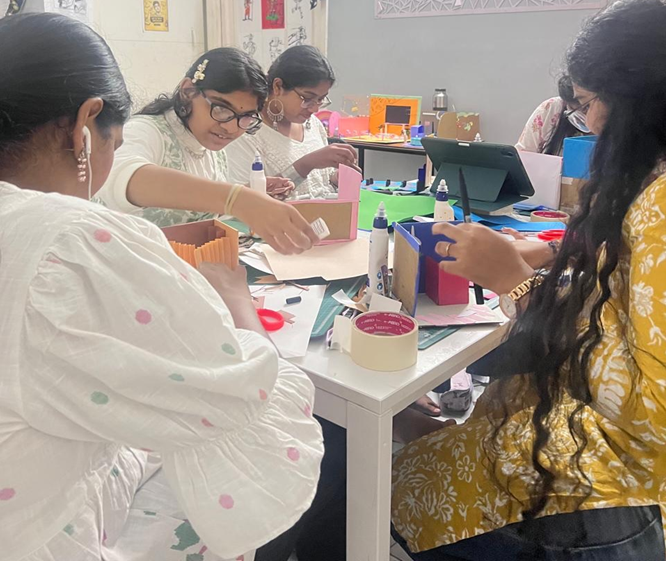
For a long time, design was often seen as an unconventional career choice in India. Many students who were interested in creativity, drawing, fashion, animation, or visual communication were frequently told to consider more traditional career paths instead. Parents often worry about job opportunities, financial stability, and long-term career growth in creative fields.
However, the world has changed dramatically over the past decade.
Today, design is no longer limited to art studios or fashion houses. Design has become an essential part of technology, business, healthcare, education, entertainment, architecture, and almost every industry we interact with daily. From the mobile apps we use and the products we buy to the advertisements we see and the spaces we experience, design plays a major role in shaping our everyday lives.
As a result, design careers are growing rapidly across India and globally.
Yet many students and parents still have important questions.
Is design really a good career option?
Can students build stable and successful careers in design?
What opportunities exist beyond fashion design?
How much can designers earn?
And perhaps most importantly, how can students know if design is the right path for them?
Let’s explore these questions in detail.
Why Design Is Becoming More Important Than Ever
Think about some of the world’s most successful companies.
Whether it is a smartphone company, an e-commerce platform, a gaming company, a fashion brand, or a startup, design plays a huge role in its success.
Companies today understand that customers do not choose products based only on functionality. They also care about:
- User experience
- Visual appeal
- Branding
- Ease of use
- Customer engagement
This shift has increased the demand for creative professionals who can solve problems through design.
Design is no longer simply about making things look attractive.
It is about understanding people and creating meaningful experiences.
This is one of the biggest reasons why design careers have become increasingly valuable.
Related : How to crack UCEED 2027 Exam in 1 month
The Biggest Misconception About Design Careers
One of the most common misconceptions is that design only means drawing.
Many parents imagine design careers as limited to:
- Painting
- Sketching
- Fashion illustration
While drawing can certainly be helpful, modern design careers involve much more than artistic skills.
Design professionals often work on:
- Mobile apps
- Websites
- User experiences
- Product innovation
- Branding
- Animation
- Packaging
- Interior spaces
- Games
- Digital experiences
In many design fields, problem-solving and creative thinking are actually more important than artistic ability.
Students who enjoy observing people, understanding behavior, generating ideas, and solving challenges creatively often thrive in design careers.
What Types of Design Careers Exist Today?
One of the biggest advantages of studying design is the wide variety of career paths available.
Many students enter design education believing they must choose one career forever. In reality, design offers flexibility and opportunities to explore different industries.
Some of the most popular design careers include:
UI/UX Design
UI/UX designers create digital experiences for apps, websites, and software platforms.
This field has grown tremendously because every business today relies on digital products.
Students who enjoy technology and creativity often find UI/UX exciting because it combines visual design with problem-solving.
Product Design
Product designers create physical and digital products used in everyday life.
They work on:
- Consumer products
- Furniture
- Electronics
- Packaging
- Lifestyle products
Product design focuses on understanding user needs and improving experiences through thoughtful design.
Graphic Design
Graphic designers work on:
- Branding
- Advertising
- Social media content
- Packaging
- Publications
Every company needs visual communication, which makes graphic design one of the most versatile creative careers.
Fashion Design
Fashion design remains one of the most well-known design careers.
Today, fashion professionals can work in:
- Apparel design
- Fashion communication
- Styling
- Retail
- Luxury brands
- Sustainable fashion
The industry continues evolving and creating new opportunities.
Animation and Gaming
The entertainment industry has grown rapidly over the last decade.
Designers now work in:
- Animation
- Gaming
- Motion graphics
- Visual effects
- Character design
Students interested in storytelling and digital media often explore these fields.
Interior Design
Interior designers create functional and aesthetically pleasing spaces.
They work on:
- Homes
- Offices
- Hotels
- Retail stores
- Restaurants
This field combines creativity, technical understanding, and spatial planning.
Is Design Financially Stable?
This is often the biggest concern parents have.
The simple answer is yes — but like any profession, success depends on skills, dedication, and continuous learning.
Many parents compare design careers to traditional professions and worry about job security.
However, the reality today is that industries actively seek skilled designers because design directly impacts business success.
Companies invest heavily in:
- User experience
- Branding
- Product development
- Digital communication
- Customer engagement
As demand grows, opportunities for talented designers continue increasing.
Students who build strong skills and portfolios often find excellent opportunities across industries.
Why Portfolio Matters More Than Marks
One major difference between design careers and many traditional fields is that portfolios often matter more than academic scores alone.
A portfolio is a collection of a student’s work that demonstrates:
- Creativity
- Problem-solving ability
- Visual communication
- Design thinking
Employers and colleges frequently evaluate portfolios because they reveal how a student thinks and approaches challenges.
This is actually encouraging for many students because it means success is not based solely on examination marks.
Creativity, curiosity, and practical ability also play important roles.
Is Design Only for Naturally Creative Students?
Many students hesitate to pursue design because they believe creativity is something people are born with.
This is not entirely true.
Creativity can be developed.
Just like mathematics improves through practice, creative thinking also improves through:
- Observation
- Experimentation
- Curiosity
- Problem-solving
- Exposure to different ideas
Many successful designers were not exceptional artists during school.
They became better over time through consistent learning and practice.
Students should not assume they need extraordinary talent before considering design.
Often, interest and dedication matter more.
What Should Parents Know About Design Education?
Parents play a huge role in helping students make career decisions.
However, many parents are unfamiliar with how much the design industry has changed.
Design education today focuses on:
- Creativity
- Critical thinking
- Problem-solving
- Communication
- Innovation
- User understanding
These skills are valuable not only in design but across multiple industries.
Students graduating from design programs often develop strong abilities in:
- Presentation
- Research
- Collaboration
- Strategic thinking
- Visual communication
These are highly sought-after skills in modern workplaces.
Parents should also understand that design education is often project-based rather than exam-focused.
Students spend significant time:
- Working on assignments
- Creating models
- Building portfolios
- Presenting ideas
- Solving real-world challenges
The learning process can feel very different from traditional academic programs.
How Do Students Know If Design Is Right for Them?
Not every student needs to become a designer.
But students who enjoy the following often find design rewarding:
- Curiosity about how things work
- Interest in creativity
- Enjoyment of sketching or visual thinking
- Problem-solving
- Observation
- Storytelling
- Innovation
Students who constantly notice details, question existing solutions, or enjoy generating ideas may naturally connect with design.
The best way to explore design is through exposure.
Attending workshops, speaking with mentors, exploring design projects, and understanding different design careers can help students make informed decisions.
The Role of Design Entrance Exams
Students interested in pursuing design often prepare for exams such as:
- NID DAT
- UCEED
- CEED
- NIFT Entrance Examination
These exams evaluate:
- Creativity
- Observation
- Visualization
- Problem-solving
- Design aptitude
Preparation for these exams often helps students understand whether they genuinely enjoy design thinking and creative challenges.
Why Design Coaching Guidance Can Make a Difference
Many students discover design relatively late and feel overwhelmed by the number of options available.
They may struggle with questions such as:
- Which design field suits me?
- Which college should I choose?
- How do I prepare for entrance exams?
- What careers exist after graduation?
This is where mentorship becomes valuable.
At MAD School, students are introduced not only to entrance exam preparation but also to the broader world of design. Through workshops, portfolio development, creative exercises, and mentorship, students gain exposure to different design fields and career opportunities.
The goal is not simply to help students clear entrance exams but to help them understand design as a profession and build confidence in their creative abilities.
Many students enter the process uncertain about their future and gradually discover strengths and interests they never realized they had.
Final Thoughts
So, is design a good career in India?
For the right student, absolutely.
Design is no longer a niche or alternative career path. It has become an important part of technology, business, communication, entertainment, architecture, and innovation.
The industry offers diverse opportunities, growing demand, and the chance to build meaningful, creative careers.
For students, the most important thing is not choosing design simply because it sounds exciting. It is about understanding what the field involves and exploring whether creative problem-solving genuinely interests them.
| UCEED Coaching centres in hyderabad | NATA coaching centres in ernakulam |
| NID coaching centres in chennai | NIFT Coaching classes in kerala |
For parents, it is important to recognize that the career landscape has changed significantly. Creative professions today offer opportunities that simply did not exist a generation ago.
When students combine curiosity, dedication, creativity, and the right guidance, design can become a rewarding career that is both professionally fulfilling and financially viable.
The future belongs to people who can think creatively, solve problems, and create meaningful experiences—and that is exactly what design education aims to develop.
Frequently Asked Questions
Is design a stable career in India?
Yes. Design careers are growing rapidly across technology, branding, product development, fashion, entertainment, and digital industries. Skilled designers are increasingly in demand.
Can Commerce and Humanities students pursue design?
Absolutely. Students from Science, Commerce, and Humanities backgrounds can pursue most design programs and entrance exams.
Do I need to be good at drawing to become a designer?
Not necessarily. Drawing helps, but creativity, observation, problem-solving, and design thinking are often more important.
Which design career has the best scope?
Fields such as UI/UX Design, Product Design, Graphic Design, Animation, and Communication Design currently have strong demand and growth opportunities.
Are design entrance exams difficult?
They can be challenging because they test creativity and aptitude rather than memorization. However, with proper preparation and guidance, students can perform well.
What is the average salary after design graduation?
Salaries vary depending on specialization, skills, portfolio quality, and experience. Strong designers often see significant growth opportunities over time.
Can I start my own business after studying design?
Yes. Many designers eventually start creative studios, fashion labels, freelance businesses, design consultancies, or digital agencies.
How can I know if design is the right career for me?
Explore workshops, creative projects, portfolio activities, and design entrance preparation. Exposure and mentorship often help students discover whether design matches their interests and strengths.